
In today’s fast-moving world, cities are using artificial intelligence (AI) to solve everyday problems and make urban life better. Let’s explore how AI is changing our cities in ways that touch our daily lives.
What Makes a City “Smart”?
A smart city uses technology and data to improve services, reduce costs, and enhance quality of life for its residents. AI serves as the brain behind many of these improvements, helping cities make better decisions based on real information rather than guesswork.
Smart cities don’t happen overnight. They evolve through a combination of vision, planning, and gradual implementation of various technologies. The transformation often begins with something as simple as adding sensors to existing infrastructure or creating mobile apps that connect citizens with city services.
What truly makes a city “smart” isn’t just the presence of technology, but how well that technology addresses real needs and improves daily life for all residents. This means understanding the unique challenges each city faces—whether it’s traffic congestion in one area, water management in another, or access to services in a third.
Cities like Singapore, Barcelona, and Copenhagen have become global leaders in smart city development because they’ve approached AI implementation with clear goals related to their specific urban challenges. They’ve created ecosystems where government, businesses, and citizens all participate in creating and using these smart solutions.
Traffic Management That Actually Works
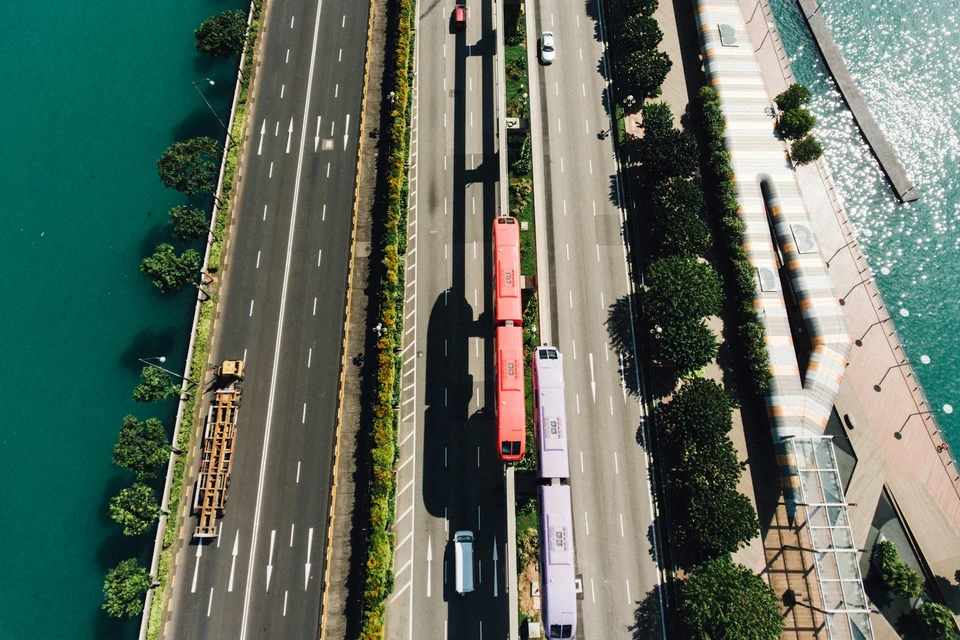
Remember sitting in traffic jams for what felt like forever? AI is helping change that frustrating experience. Smart traffic lights can now “see” traffic patterns and adjust their timing to keep cars moving. In cities like Pittsburgh, these AI-powered systems have cut wait times by 40% and reduced emissions from idling vehicles.
The AI works by collecting data from cameras and sensors, then making quick decisions about when to change lights. It’s like having a super-smart traffic cop at every intersection who can see all roads at once.
These systems go far beyond simple timer adjustments. The most advanced AI traffic management platforms can predict traffic patterns based on historical data, weather conditions, and even scheduled events like concerts or sports games. They create dynamic traffic plans that adapt in real-time to changing conditions.
In Los Angeles, the Automated Traffic Surveillance and Control system manages over 4,500 traffic signals and has reduced travel time by 12% while increasing average speeds by 16%. The system doesn’t just react to current conditions—it anticipates problems before they occur by analyzing patterns from thousands of previous traffic scenarios.
Some cities are taking this concept even further by integrating their traffic systems with navigation apps and connected vehicles. When a traffic accident occurs, the AI can instantly reroute nearby drivers through their navigation systems, preventing a small problem from becoming a major traffic jam.
Public Transportation That’s More Reliable
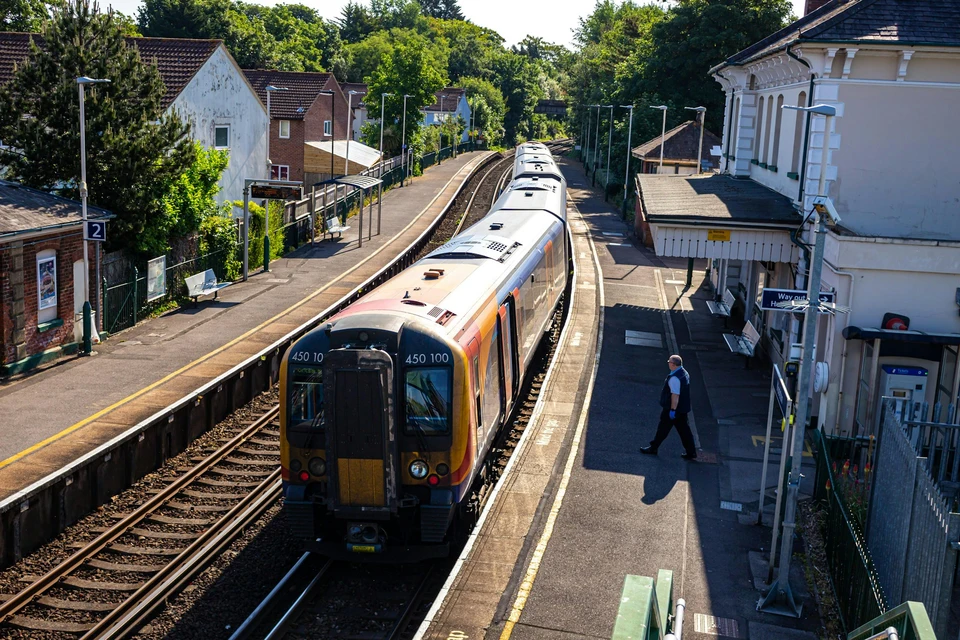
Nobody likes waiting for buses that arrive late or not at all. Cities are now using AI to predict exactly when buses and trains will arrive, giving riders accurate wait times through their phones. Some transit systems even use AI to plan better routes based on where people actually need to go.
In London, an AI system called iBus tracks all city buses and predicts arrival times with amazing accuracy. This helps riders plan better and reduces the frustration of uncertain wait times.
The benefits extend far beyond just prediction. AI helps transit authorities optimize their entire operations. By analyzing ridership data across different times, days, and seasons, they can adjust schedules and routes to better match actual demand patterns. This means putting more buses on busy routes during peak hours and reducing service where and when it’s not needed.
In Seoul, South Korea, the public transportation system uses AI to analyze over 3 billion transit card transactions per year. This massive dataset helps them identify exactly where passengers are getting on and off, how they transfer between lines, and which connections are most important. The result is a continuously improving system that adapts to the city’s changing needs.
Even the vehicles themselves are becoming smarter. AI-powered systems monitor the condition of buses and trains, predicting when maintenance will be needed before breakdowns occur. This predictive maintenance keeps vehicles running smoothly and reduces costly service disruptions that frustrate riders and damage confidence in public transit.
Keeping Communities Safer
Safety is a top concern in any city. AI helps emergency services respond faster and more effectively. Some cities use systems that can detect the sound of gunshots and immediately alert police to the exact location. Others use AI cameras that can spot potential problems like overcrowding before they become dangerous.
AI doesn’t replace human judgment in safety matters—it just helps people make faster, better-informed decisions when every second counts.
Emergency response centers are being transformed by AI-powered systems that can prioritize calls, dispatch the right resources, and even provide critical information to first responders before they arrive on scene. In Copenhagen, an AI system analyzes emergency calls and can detect cardiac arrests with 93% accuracy just by listening to the caller’s voice and breathing patterns—often identifying heart attacks faster than human dispatchers.
Disaster management has also been revolutionized by AI applications. Cities in flood-prone regions use AI to analyze rainfall data, river levels, and drainage capacity to predict flooding with unprecedented accuracy. These systems can issue targeted warnings to specific neighborhoods hours or even days before flooding occurs, giving residents time to prepare or evacuate if necessary.
Crime prevention benefits from AI as well, though this requires careful implementation with strong privacy protections. Rather than constant surveillance, the most effective systems focus on unusual patterns or specific alerts. In New York City, the Domain Awareness System connects thousands of cameras, license plate readers, and other sensors to help police respond more quickly to incidents and identify patterns that might indicate emerging problems.

Clean Streets and Better Waste Management
Taking out the trash might seem simple, but managing waste for an entire city is complex. AI-powered garbage trucks can now map the most efficient collection routes, saving time and fuel. Some cities even use smart trash bins that compact waste and alert collection teams when they’re full.
In Barcelona, these smart waste systems have cut collection costs by 30% while keeping streets cleaner.
These savings come from a variety of innovations working together. AI route optimization doesn’t just find the shortest path—it accounts for traffic patterns, truck capacity, and even which streets are difficult to navigate. The result is less fuel consumption, reduced wear on vehicles, and more efficient use of worker time.
The benefits extend to recycling as well. Some cities are implementing AI-powered sorting systems that can identify and separate recyclable materials with greater accuracy than traditional methods. In Helsinki, smart waste bins use sensors and AI to separate different types of waste automatically, increasing recycling rates while making the process more convenient for residents.
Perhaps most impressively, some cities are using AI to predict waste generation patterns across different neighborhoods and seasons. This allows them to allocate resources more effectively, placing more bins in areas that need them and scheduling extra pickups during peak periods. In Seoul, this predictive approach has increased waste collection efficiency by 43% while reducing overflow incidents by 61%.

Saving Energy, Saving Money
Cities consume enormous amounts of energy for streetlights, public buildings, and other services. AI helps manage this energy use more intelligently. Smart streetlights, for example, can brighten when people are nearby and dim when streets are empty. AI systems in public buildings adjust heating and cooling based on actual usage patterns rather than fixed schedules.
Copenhagen uses these AI energy systems to work toward becoming carbon-neutral while saving taxpayer money on unnecessary energy use.
The most advanced smart building systems go far beyond simple motion sensors. They learn the unique patterns of each building’s occupancy and energy use, gradually optimizing operations to find the perfect balance between comfort and efficiency. In Seattle, the Microsoft campus uses AI to analyze data from over 125,000 sensors, reducing energy consumption by 6-10% while improving occupant comfort.
Smart grids represent another frontier in urban energy management. These systems use AI to balance electricity supply and demand across the entire city, integrating renewable energy sources like solar and wind power more effectively. During peak usage times, the AI can make thousands of small adjustments to prevent outages and reduce the need for expensive backup power plants.
Water systems are also becoming smarter through AI applications. Leak detection algorithms analyze flow data to identify potential problems in underground pipes before they become major breaks. In Tokyo, this approach has reduced water losses by 25% while extending the lifespan of aging infrastructure.
Some cities are taking a holistic approach to resource management by creating “digital twins”—virtual models of the entire city that simulate how different systems interact. Singapore’s Virtual Singapore platform allows planners to test the impact of new buildings on wind flow, solar exposure, and energy use before construction even begins.

Challenges We Still Face
Despite these advances, AI in cities isn’t perfect. There are important concerns about:
- Privacy: Who sees the data from all those cameras and sensors?
- Access: Will everyone benefit from these technologies or only certain neighborhoods?
- Cost: Many smart city technologies require significant investment, which can be difficult for smaller or less wealthy cities.
- Technical problems: Systems sometimes fail or make mistakes, and cities need backup plans.
The privacy challenges are particularly complex because they involve balancing public benefits against individual rights. Many cities are addressing these concerns by implementing strong data governance frameworks that limit how information can be collected, stored, and used. Barcelona’s ethical digital standards, for example, require that citizens must explicitly consent to how their data is used, and all data collection must serve a clear public purpose.
The digital divide remains a serious obstacle to equitable smart city development. When services move online or require smartphones for access, residents without reliable internet or digital skills may be left behind. Some cities are working to address this through digital literacy programs and ensuring all neighborhoods have equal access to new technologies. In Kansas City, the city has installed free public Wi-Fi along major transit corridors and provides digital skills training at community centers.
Cybersecurity represents another growing challenge. As cities become more connected, they also become more vulnerable to hacking and system failures. A single ransomware attack shut down Baltimore’s city systems for weeks in 2019, costing over $18 million in recovery expenses and lost revenue. Building resilient, secure systems requires ongoing investment and expertise that many cities are still developing.
Climate resilience is increasingly becoming a focus of smart city efforts. AI helps cities model the potential impacts of climate change and develop adaptive strategies. Rotterdam uses AI-powered simulations to test different flood protection measures and develop plans for “water squares” that can store excess rainwater during storms.

The Future is Already Here
The good news is that many of these AI applications aren’t just future dreams—they’re already working in cities around the world. As technology improves and becomes less expensive, more places will be able to implement these smart solutions.
The smartest cities don’t just add technology for its own sake. They focus on solving real problems that affect residents’ daily lives. When done right, urban AI makes city living more comfortable, safe, and sustainable for everyone.
Looking ahead, the integration of AI with other emerging technologies promises to accelerate urban innovation. Autonomous vehicles will change how we think about transportation and street design. Advanced robotics will transform everything from construction to maintenance of public spaces. 5G networks will enable new levels of connectivity and real-time data processing.
Perhaps most exciting is the potential for greater citizen participation in shaping these smart city initiatives. Digital platforms already allow residents to report problems, suggest improvements, and participate in planning decisions. As these tools become more sophisticated and widespread, they create the possibility for truly collaborative cities where technology amplifies citizen voices rather than replacing them.
Cities like Seoul and Amsterdam are pioneering approaches that put citizens at the center of smart city development. Seoul’s “Sharing City” initiative uses AI to match unused resources with people who need them, from parking spaces to meeting rooms. Amsterdam’s smart city program begins with neighborhood-level discussions about community needs, then develops technological solutions to address them.
The next time you notice a traffic light that seems to know exactly when to change, or a bus that arrives right when your app said it would, remember: that’s AI quietly making your city life a little better, one small improvement at a time. And these small improvements, multiplied across millions of daily interactions, are gradually transforming urban living for the better.